Master the Art of Dog Training: Proven Methods for a Mannerly Dog Companion
Dog training is a nuanced process that calls for an understanding of canine actions. Efficient interaction is crucial for developing depend on and setting boundaries. Several proprietors neglect the significance of socializing and standard commands, which lay the foundation for a mannerly dog. Positive reinforcement plays an essential function in this journey. Challenges often emerge. Checking out proven approaches can cause a deeper link between proprietor and dog. What might those techniques require?
Comprehending Pooch Habits
Recognizing canine habits is necessary for reliable dog training (Freeport Florida Dog Trainer). Pets interact via body language, articulations, and various actions, making it important for trainers to analyze these signals accurately. For example, a wagging tail may suggest excitement, while a reduced head can indicate submission or concern. Recognizing these signs helps trainers address concerns and promote a positive discovering environment. Furthermore, recognizing the dog's instincts and natural propensities, such as their pack way of thinking, enhances the training process. Pet dogs grow on regular and consistency, so establishing clear boundaries and expectations is essential. By comprehending these behavioral attributes, fitness instructors can create customized strategies that resonate with the private dog's requirements, inevitably bring about a more unified partnership in between the dog and its proprietor
The Relevance of Socializing
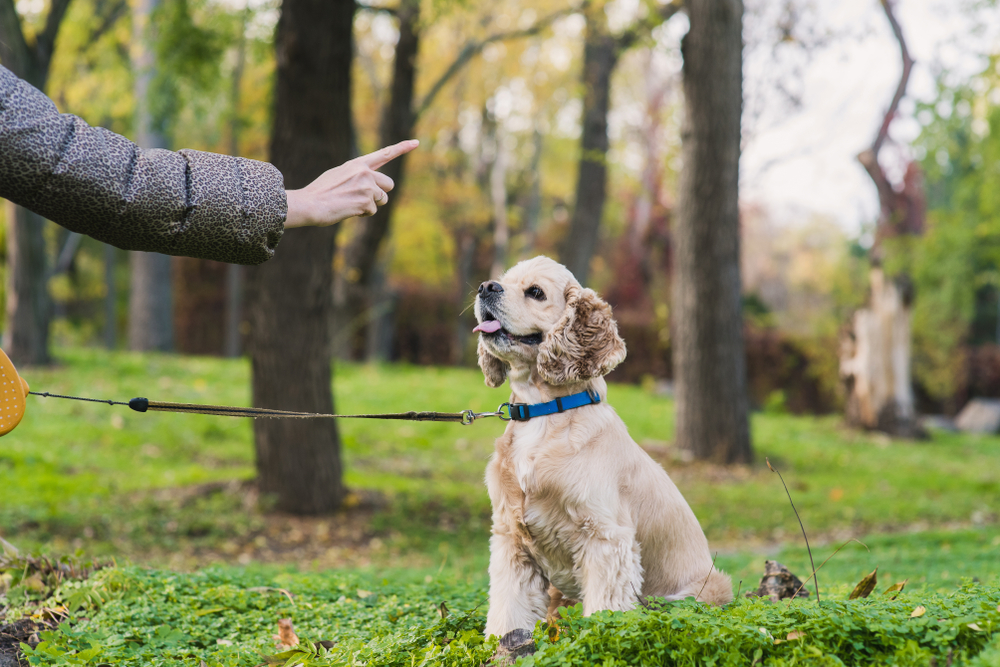
Socialization functions as a foundation of efficient dog training, influencing a pet's habits and adaptability in numerous atmospheres. Through direct exposure to various individuals, animals, and setups, pet dogs learn to create and navigate social communications confidence. This process reduces the chance of fear-based reactions, aggressiveness, and stress and anxiety, cultivating a well-adjusted family pet. Early socialization, preferably during the essential developmental duration, is essential for forming a dog's individuality and reactions to brand-new experiences. Participating in favorable experiences helps pet dogs link unfamiliar scenarios with comfort and safety and security, promoting calm actions. In addition, well-socialized pets are typically extra delightful buddies, as they are more probable to react favorably in public rooms. Eventually, correct socializing lays the foundation for a delighted, mannerly canine companion.
Fundamental Commands Every Dog Ought To Know
A well-socialized dog advantages significantly from grasping standard commands, which are fundamental to efficient communication in between animal and owner. Crucial commands include "sit," "stay," "come," "down," and "leave it." Each command serves a certain objective, aiding in safety and control. "rest" can avoid leaping on guests, while "remain" keeps a canine in area, guaranteeing they do not roam right into risk. The command "come" is crucial for recall, allowing owners to call their dog back safely. "Down" encourages calmness, and "leave it" avoids unwanted behaviors, such as scavenging. Consistent practice of these commands fosters a strong bond and good understanding, inevitably bring about a mannerly canine companion that boosts the general pet-owner connection.
Favorable Reinforcement Techniques
Positive support methods play a necessary function in efficient dog training. By utilizing rewards and deals with, instructors can motivate preferred behaviors, while remote control training supplies a specific technique for marking those behaviors. Uniformity in applying these techniques warranties that dogs discover and keep commands much more effectively.
Benefits and Deals with
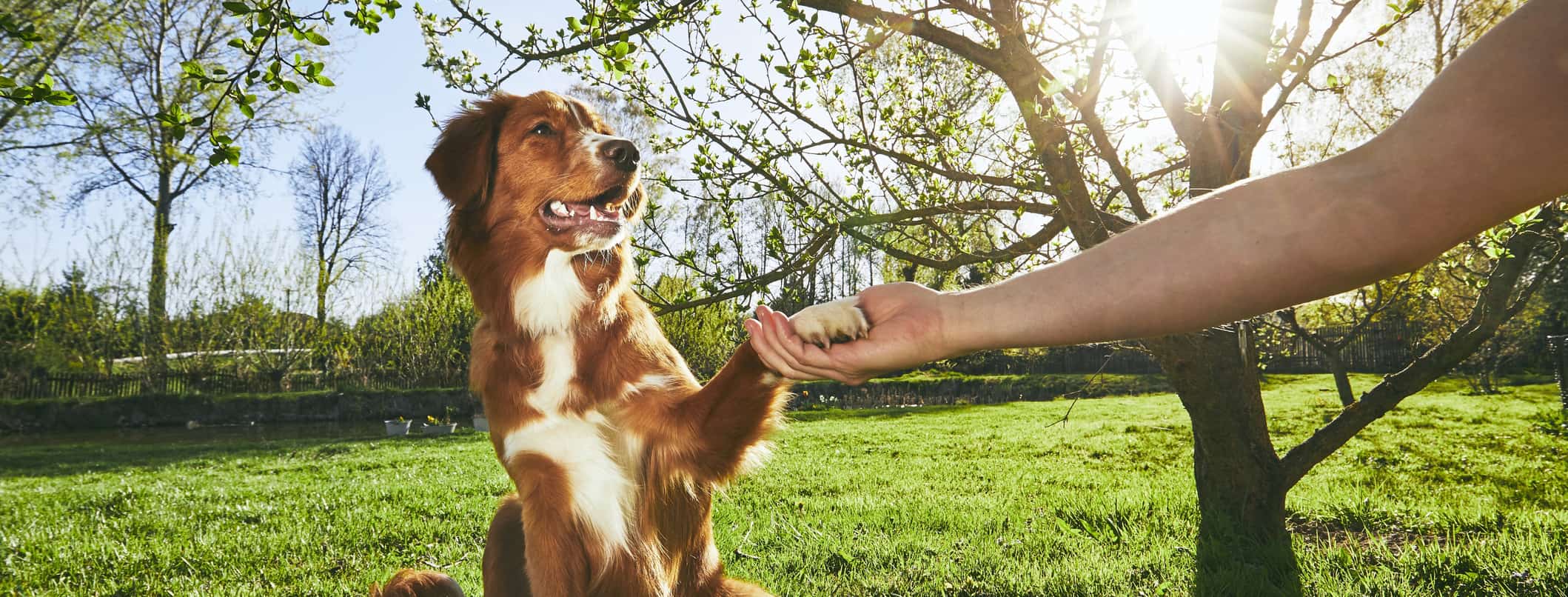
While numerous dog proprietors look for effective training techniques, making use of benefits and treats as favorable support methods has actually proven to be one of one of the most successful strategies. By using deals with, praise, or other benefits, proprietors can urge desired habits in their canine friends. This approach capitalizes on the dog's natural impulse to look for satisfaction and approval. Timing is vital; benefits need to be given instantly after the preferred habits to develop a clear organization. Variety in treats can also preserve a pet dog's rate of interest and inspiration throughout training sessions. In addition, using rewards fosters a positive bond between the dog and owner, making learning pleasurable. In general, integrating benefits and treats effectively can lead to a happy and mannerly dog.
Remote Control Training Conveniences

Consistency Is Secret
Uniformity plays a necessary role in the efficiency of positive support techniques in dog training. When handlers use benefits, such as treats or appreciation, dependably after preferred actions, canines promptly discover to connect these actions with favorable end results. This organization enhances their motivation to duplicate those behaviors. Inconsistent reinforcement, on the other hand, can puzzle canines, bring about unpredictability about what actions generate benefits. To establish clear communication, instructors ought to utilize the very same commands and cues consistently. Furthermore, reinforcing behaviors promptly after they occur enhances understanding and retention. In time, this foreseeable pattern fosters trust and a more powerful bond in between the dog and trainer, inevitably causing a mannerly canine buddy. Uniformity is, therefore, essential to efficient dog training.
Consistency Is Key
When educating a dog, keeping a regular method is essential for achieving effective results. Pet dogs prosper on regular and clearness, find here which assists them recognize assumptions and preferred behaviors. A fitness instructor should establish clear commands and stick to them, making certain that every relative makes use of the exact same terms and signals. Additionally, rewards and corrections need to be used evenly; incongruities can puzzle the dog, resulting in stress for both the animal and the proprietor. By setting a foreseeable training schedule and adhering to it, progression can be determined more precisely. Ultimately, consistency fosters count on and reinforces the bond in between the dog and instructor, developing a strong structure for a mannerly canine companion.
Handling Common Behavioral Issues
How can dog owners properly resolve common behavior issues that occur throughout training? Identifying the source of habits such as barking, eating, or leaping is important. Owners ought to observe their dog's contexts and triggers to much better understand these actions. Consistent and ideal reinforcement methods, such as positive support, can assist redirect unfavorable actions. Additionally, setting clear limits and utilizing commands consistently cultivates understanding. When a dog barks exceedingly, owners can educate them to react to a "silent" command. Perseverance is essential; behavior adjustment requires time. Looking for specialist aid from an instructor may likewise be useful when issues persist. Eventually, resolving behavior problems early can result in a much more harmonious partnership in between dog and proprietor.
Constructing a Strong Bond Through Training

Although training may often be deemed a means to deal with actions, it likewise offers as an effective opportunity for dog proprietors to establish a much deeper link with their family pets. Involving in regular training sessions fosters count on and communication between the dog and owner. As canines find out new commands and abilities, they obtain confidence, while owners learn to understand their animal's special character and needs. Favorable reinforcement techniques, such as deals with and praise, enhance this bond, urging canines to connect training with pleasurable experiences. Through normal communication throughout training, both proprietor and dog establish a common respect and understanding, enhancing their connection. Ultimately, this strong bond not just results in a mannerly canine companion yet additionally improves the general friendship shared.
Often Asked Inquiries
How Long Does It Take to Train a Pet Dog Effectively?
Training a pet properly normally takes several weeks to months, depending on the dog's age, breed, and the intricacy of the desired behaviors. Uniformity, perseverance, and positive reinforcement play vital duties in about his the training process.
Can I Train an Older Dog or Just Puppies?
Yes, older pets can be educated equally as efficiently as puppies. While they might call for various methods and patience, with consistent technique and favorable support, older canines can discover new behaviors and commands.
What Should I Do if My Dog Declines to React?
If a pet refuses to react, the owner must evaluate the environment for distractions, use favorable reinforcement, assurance consistent commands, and take into consideration the dog's health and wellness and training background, seeking specialist assistance if necessary.
Are There Details Breeds That Are Easier to Train?
Certain types, such as Border Collies, Poodles, and Labrador Retrievers, are commonly thought about less complicated to train as a result of their intelligence and readiness to please. Consistent techniques and favorable reinforcement improve training success throughout all breeds.
How Do I Select the Right Training Devices and Equipment?
Selecting the appropriate training tools and devices entails evaluating the dog's personality, dimension, and training objectives. Researching different choices, looking for recommendations, and thinking about the dog's comfort and safety and security are essential steps in making a notified decision.
Socialization offers as a foundation of effective dog training, affecting a dog's actions and flexibility in various environments. Clarity in communication enhances the effectiveness of dog training, and remote control training exemplifies this principle through its structured method. Training may frequently be watched as a way to correct habits, it likewise offers as a powerful possibility for dog owners to establish a deeper connection with their family pets. Training a dog successfully generally takes numerous weeks to months, depending on the dog's age, type, and the complexity of the preferred actions. Choosing the appropriate training tools and tools involves examining the dog's training, size, and character objectives.